Community
Minnesota election judge recruitment helped enable big state midterm turnout
By Katherine Langford
Advertisement · Why this ad?
Marcus manages the day-to-day editorial workflow across all brands, coordinating coverage assignments and ensuring editorial standards are met. He previously served as city editor at the Pioneer Press and holds a degree in Political Science from Carleton College.
More from Marcus →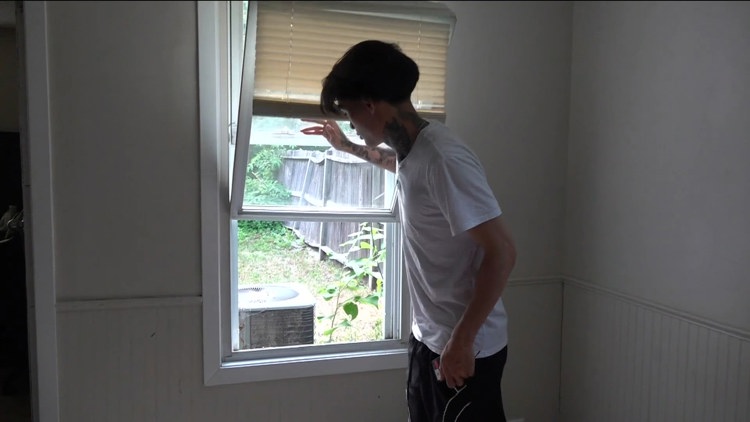
On a chilly November evening, Sarah Johnson, a long-time renter in St. Paul, held her breath as election results streamed in. The moment was pivotal, not just for her but for many renters across the city. With the passing of a significant ballot question, St. Paul voters have embraced a new era of tenant rights, allowing renters to pay for necessary repairs that landlords have neglected and deduct those costs from their rent.
In a decisive vote on November 7, 2023, St. Paul residents approved the 'right to repair' ballot question with a 62% majority. This measure empowers renters to take action when landlords fail to uphold their responsibilities regarding property maintenance. In essence, if a landlord neglects a repair, tenants can now pay for the work themselves and deduct that expense from their monthly rent.
The initiative, spearheaded by local advocacy groups, aimed to address the frustrations of many renters who often face long delays or complete inaction from landlords regarding essential repairs. The question posed to voters was straightforward: Should renters be allowed to pay for repairs not made by their landlords and deduct those costs from their rent? The overwhelming support reflects a growing demand for accountability in rental agreements.
Supporters of the measure, including the Minnesota Tenants Union, hailed the vote as a victory for tenant rights. "This is about fairness and ensuring that people have safe and livable homes," said union spokesperson Mark Thompson. "Renters should not have to suffer because of a landlord's negligence." The law is expected to take effect in early 2024, providing immediate relief for many renters.
The response from the St. Paul community has been overwhelmingly positive. Many renters expressed relief and gratitude for the new law, seeing it as a crucial step toward greater autonomy in their living situations. “I’ve had issues with my heating system for months, and my landlord just ignored my requests,” shared Sarah Johnson, who plans to utilize the new law to ensure her home is safe and comfortable.
Landlords, however, have voiced concerns about the implications of the law. Some property owners worry that the measure could lead to disputes over what constitutes necessary repairs and the costs associated with them. “It’s a slippery slope,” argued local landlord Rachel Adams. “While I understand the frustrations, this could create a lot of tension between tenants and landlords.”
This new legislation could reshape the rental landscape in St. Paul. With an estimated 50% of the city’s residents living in rental properties, the implications of this law are significant. According to the U.S. Census Bureau, St. Paul has over 40,000 rental units, meaning thousands of residents could potentially benefit from the right to repair.
Moreover, this measure aligns with broader movements across the country advocating for tenant rights. Cities like San Francisco and New York have implemented similar laws, focusing on empowering renters and ensuring they have a voice in their living conditions. The success of St. Paul’s initiative may inspire other cities in Minnesota and beyond to consider similar legislation.
The passage of the right to repair law has ignited conversations among community members about their experiences as renters. At a local coffee shop in the heart of St. Paul, a group of renters gathered to discuss their hopes for the new law. “It feels like we finally have a say in our homes,” said Maria Gonzalez, a mother of two who has faced persistent plumbing issues in her apartment. “For too long, we’ve felt powerless.”
Community organizations, such as the St. Paul Housing Alliance, are planning workshops to educate renters on how to navigate this new law effectively. “Knowledge is power,” stated alliance director John Lee. “We want to ensure that renters understand their rights and how to assert them without fear.”
As the community prepares for the new law to take effect, discussions around its implementation are already underway. City officials are tasked with creating guidelines that will help define what qualifies as a necessary repair and the process for tenants to follow in order to deduct these costs from their rent.
Tenant advocacy groups are eager to assist in this process, emphasizing the need for clear communication and education for both renters and landlords. “We want to ensure that everyone understands their rights and responsibilities under this new law,” said Thompson from the Minnesota Tenants Union.
While the law promises to empower renters, challenges remain. One major concern is the potential for landlords to retaliate against tenants who choose to exercise their new rights. Tenant advocates are urging the city to include strong protections against such retaliation in the implementation guidelines.
Additionally, there is the question of how disputes will be resolved if disagreements arise over repair costs. The city may need to establish a mediation process to address conflicts effectively and fairly.
The approval of the right to repair ballot question could have far-reaching implications for housing policy in St. Paul and beyond. As cities grapple with housing shortages and rising rents, empowering tenants is becoming increasingly important. Experts suggest that St. Paul’s initiative may prompt lawmakers to consider additional tenant protections, such as rent control measures or enhanced eviction protections.
Moreover, the success of this measure could lead to a ripple effect, encouraging neighboring communities to adopt similar policies. Advocates believe that a unified approach to tenant rights could transform the housing landscape across the Twin Cities.
The approval of the right to repair ballot question marks a significant milestone for renters in St. Paul. As the city moves forward with implementing this new law, the potential for improved living conditions and greater accountability in rental agreements is promising. For residents like Sarah Johnson, this change represents not just a legal victory but a step toward a more equitable housing landscape. The community will be watching closely as these new regulations unfold, hoping for a future where every renter can feel secure in their home.
By Katherine Langford
By Katherine Langford

By Katherine Langford

By Katherine Langford